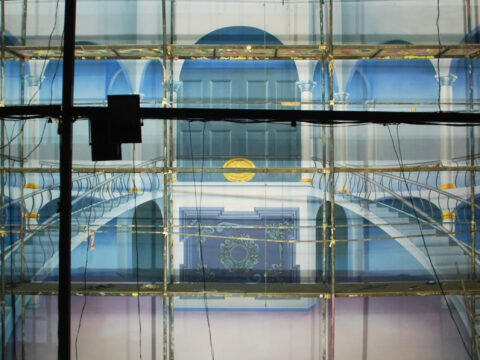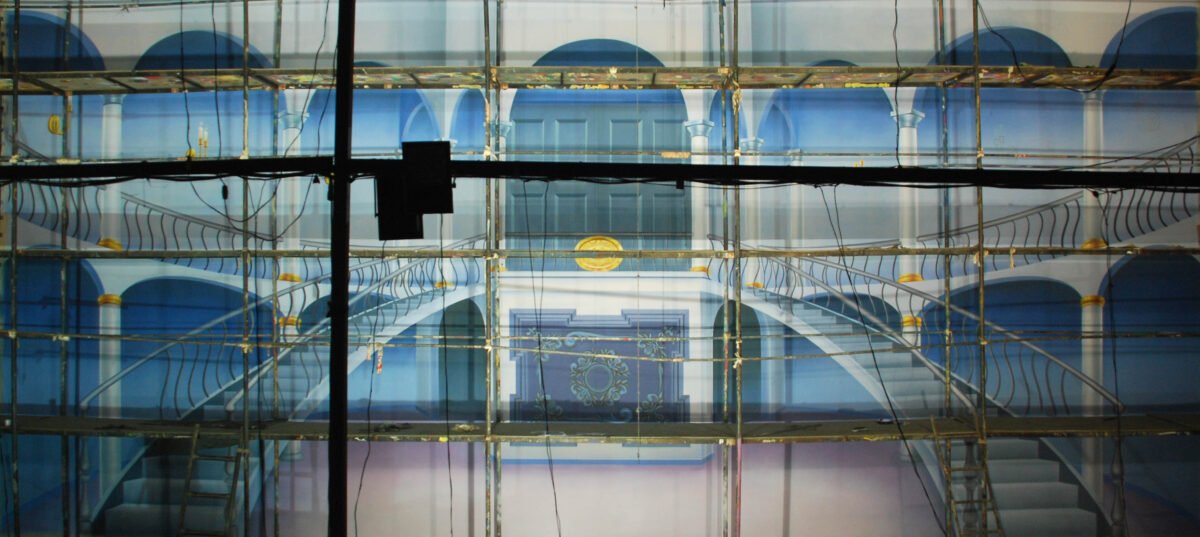
Behind the Scenes: How We Paint a Large-Scale Handpainted Theatre Backdrop
May 4, 2026
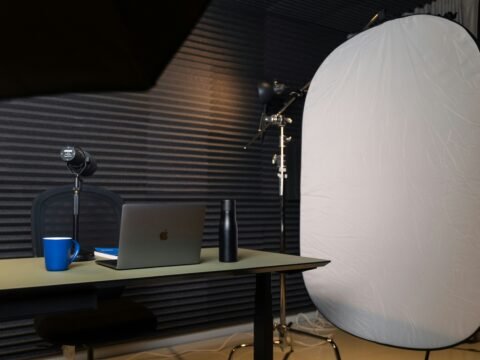
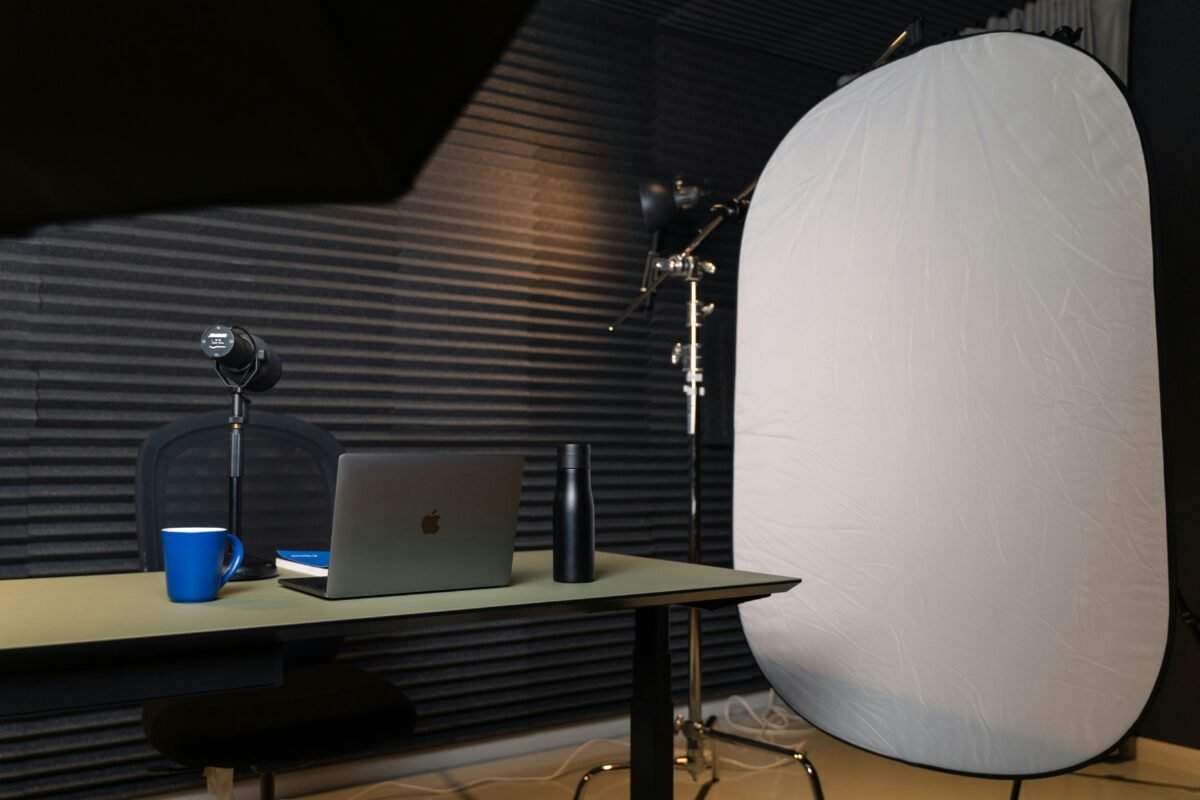
The Rise of Collapsible Muslin Backdrops for On-Location Photographers
May 4, 2026
Walk into any professional photography studio and you will almost certainly find both types: the clean, even expanse of a solid color backdrop and the nuanced, layered surface of a textured one. Both have an important role to play, and neither is definitively superior to the other. The question is not which type is better — it is which type is right for the specific image you are trying to create.
This guide breaks down the fundamental differences between textured backdrops and solid color backdrops, examines the strengths and limitations of each, and helps you make the right choice for your studio and your clients.
Understanding Solid Color Backdrops
Solid color backdrops — also called solid color studio backdrops or seamless backdrops — present a consistent, even tone across the entire surface. They eliminate background distraction entirely, placing all visual focus on the subject.
WHAT THEY ARE BEST FOR
- Commercial product photography where a clean, distraction-free background is essential
- High-key portrait photography where the background and subject tones are closely matched
- Chromakey photography and video work, where green, blue, or red backgrounds are used for digital compositing
- Corporate headshots and professional portraits where a neutral, polished aesthetic is required
- Fashion photography where the garment, model, or styling must be the sole visual focus
VARIETIES OF SOLID COLOR BACKDROPS
Not all solid color backdrops are created equal. Agraffitti’s range includes:
- Standard Solid Color Backdrops — available in a wide spectrum of tones, from stark white to deep charcoal and bold primaries
- Premium Solids — heavier fabric weight and an enhanced surface finish that reads more richly under studio lighting
- Chromakey Solids — precision-matched green, blue, and red surfaces optimized for digital compositing in video production and VFX workflows
LIMITATIONS
The uniformity of solid color backdrops is both their greatest asset and their most significant limitation. They offer no inherent depth, no visual texture, and no atmospheric quality. They read as flat surfaces — which is exactly what you want in product photography or corporate portraiture, but rarely what you want in fine art portraiture, lifestyle photography, or any image intended to evoke mood or emotion.
Solid color backdrops are also highly sensitive to lighting inconsistencies. Any variation in the lighting across the background surface will be immediately visible, as there is no texture or tonal variation to absorb or disguise it.
Understanding Textured Backdrops
Textured backdrops encompass a wide range of surface treatments — from the soft, organic blending of a hand-painted mottled backdrop to the rich, multi-dimensional quality of a crush-dyed or 3D mottle. What unites them is the presence of tonal variation, surface depth, and visual interest that a solid color surface cannot provide.
WHAT THEY ARE BEST FOR
- Fine art and lifestyle portraiture where atmospheric depth enhances the emotional impact of the image
- Family portraits and multi-subject images where a visually interesting background adds warmth without distracting from the subjects
- Newborn and maternity photography where soft, organic textures create an intimate, natural feel
- Senior portraits and personal branding photography where character and individuality are part of the visual language
- Fashion and editorial photography where the backdrop contributes actively to the overall aesthetic narrative
VARIETIES OF TEXTURED BACKDROPS
Agraffitti’s textured backdrop range covers several distinct categories:
Painted Backdrops — created by skilled artists applying paint directly to muslin, painted photography backdrops offer organic tonal variation, depth, and a quality of surface that is impossible to achieve digitally. Subcategories include Painted Mottled, Painted Abstract, Painted Old Masters, Painted Scenic, and Airbrushed Mottles.
Dyed Backdrops — produced through various dyeing techniques including hand-painting, crush-dyeing, washing, and a specialized 3D process that creates genuine surface relief. These include Handpainted Mottles, Crush Dyed Mottles, 3D Mottles, Washed Mottles, and Reversible Mottled backdrops.
Specialty Textured Surfaces — including studio backcloth with enhanced surface texture, designed for photographers who want a dramatic tactile quality visible even in the finished photograph.
HOW TEXTURED BACKDROPS INTERACT WITH LIGHT
This is the critical advantage of textured backdrops that is most often underappreciated. Because the surface contains tonal variation, textured backdrops interact with light in a far more complex and forgiving way than solid color surfaces.
When light falls at an angle across a textured backdrop, it catches the high points of the texture and creates micro-shadows in the recesses — adding a perceived depth and dimensionality to the background that dramatically enhances the three-dimensional quality of the subject. This is especially valuable in portraiture, where the goal is often to make the subject appear to exist within a space rather than simply in front of a flat surface.
“A textured backdrop does not compete with your subject. It creates a world around them.”
Comparing the Two — A Head-to-Head Analysis
Clean Background vs. Depth of Field
Solid color backdrops eliminate all background information, creating a neutral plane that supports but does not enhance the subject. Textured backdrops add depth of field to the background — even when shot at a wide aperture that blurs the backdrop, the tonal variation creates a sense of recession that makes the subject appear to occupy three-dimensional space.
Lighting Sensitivity
Solid color backdrops are highly sensitive to lighting variations and require even, controlled illumination across the entire background surface. Textured backdrops are naturally forgiving — tonal variation on the surface absorbs and disguises minor lighting inconsistencies, making them more practical for photographers who work with simpler lighting setups or in locations where controlled illumination is difficult to achieve.
Versatility Across Subjects
Solid color backdrops excel with subjects that have clean, defined edges — products, single figures, or high-contrast subjects. Textured backdrops are more adaptable across subject types and particularly flattering for portraits, where skin tones interact beautifully with the warm, organic quality of a well-chosen mottled or painted surface.
Post-Processing Workflow
Solid color backdrops — particularly chromakey photography backdrops — are the clear choice when significant post-processing work is planned, including background replacement, compositing, or the addition of digital environments. Textured backdrops are typically intended to be the final background and work best when minimal post-processing is desired.
Building a Versatile Studio Backdrop Collection
For professional photographers building or expanding a studio, the most practical answer to the solid vs. textured question is not to choose one over the other — it is to invest strategically in both.
A well-rounded studio backdrop collection typically includes:
- A neutral solid — white, light gray, or stone — for product work, commercial headshots, and high-key portraiture
- A dark solid — charcoal, black, or deep navy — for low-key portraiture, dramatic commercial work, and video backgrounds
- A chromakey solid — green or blue — for composite work and video production
- A warm mottled textured backdrop — for portraiture, families, and newborn sessions
- A cool or neutral mottled textured backdrop — for senior portraits, personal branding, and editorial work
- A painted photography backdrop — for clients who want a fine-art or painterly aesthetic
Starting with this foundation gives a studio the flexibility to serve the majority of client briefs without requiring frequent backdrop changes or significant investment in individual, highly specialized surfaces.
Final Recommendation
If you photograph products, corporate clients, or anyone whose image will be composited or heavily retouched — solid color backdrops are your primary tool.
If you photograph portraits, families, newborns, seniors, or anyone whose emotional connection to the image matters — textured backdrops will transform your work in ways that a solid surface never can.
And if you are building a professional photography studio intended to serve a broad client base — you need both.
Agraffitti Backdrops manufactures both solid color and textured backdrops in-house, offering photographers a single, trusted source for their entire studio background collection. Browse our full catalog or contact our team for personalized recommendations based on your studio and shooting style.